
Stroud's steep valleys leave many gardens on a slope or in steps, and the key to making them easy to keep is solid structure, safe steps and ground cover that holds the soil.
Stroud sits where several valleys meet on the edge of the Cotswolds, and houses are often perched on hillsides with gardens that tilt, drop or climb. That gives lovely views and difficult maintenance. A lawn that can only be mown with a rotary mower on a slope, or a terrace whose wall has begun to bulge, soon becomes a worry.
The remedy is rarely complicated, but it needs planning. We look at where water goes, how steep each section is and how you move between levels, then propose a layout that creates a few flat, useful areas and a stable, well-planted remainder. Once the structure is sound, everyday upkeep drops considerably. Wet winters on clay slopes make good drainage behind walls essential.
On a steep plot, resist the urge to level everything. Instead choose the most sensible spot for a flat patio, perhaps close to the house, and let the remaining slope be planted. Where more flat space is needed, terraces can be formed with retaining walls, but these must be designed and built properly because they hold back real weight and water. Steps need consistent risers and good grip, with handrails on longer flights. A gentle zigzag path can make a steep bank usable. We discuss each of these elements on site before putting a plan together.
Surfaces on a slope must be stable. Paving works well on flat terraces and steps, ideally with a textured finish for grip in wet weather. Loose gravel tends to slide on steeper ground, so we limit it to level areas or use bonded or bound finishes where appropriate. Planting does much of the work: dense ground cover, low shrubs and grasses with strong roots hold soil, shade out weeds and need just an annual trim. A membrane and a thick mulch layer help new planting settle. Artificial grass is possible on gentler gradients with careful edging.
Slopes ask for small, regular inspections. After heavy rain, look at the base of retaining walls and any drainage channels for blockages or movement. Keep steps clear of leaves and algae, since these become slippery. Top up mulch on banks once a year and replace any plants that fail so bare soil does not erode. Trim ground cover and shrubs as required. These checks take little time, and they head off the expensive repairs that follow when drainage or retaining structures are ignored for several seasons. We often suggest a short test strip of planting before covering a whole bank.
Stroud is a Cotswold-edge town set among steep valleys, so sloping and terraced gardens are the norm rather than the exception. Access can be difficult, with narrow lanes, steep drives and long flights of steps, and we plan deliveries and waste removal around those limits, often moving materials by hand. We also cover Gloucester and Cirencester and the villages in between. If you have a steep or awkward garden and want honest advice about what is possible, contact us for a free quote and a visit. Tell us about any slippery spots, as they often show where steps are needed.
We also take on low maintenance gardens work in nearby Gloucester, Cirencester.
Select a service to read our guide to it:
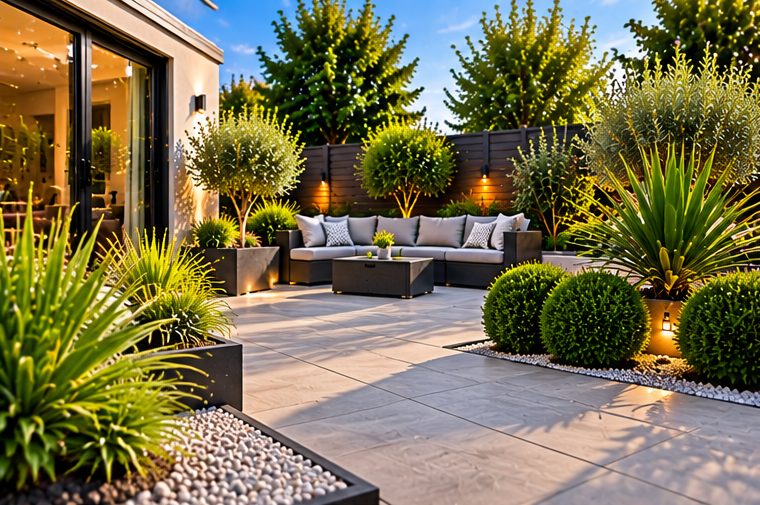
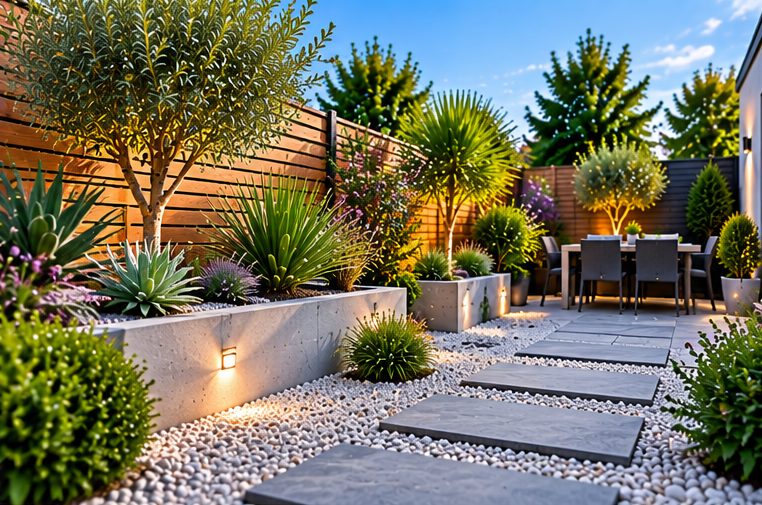
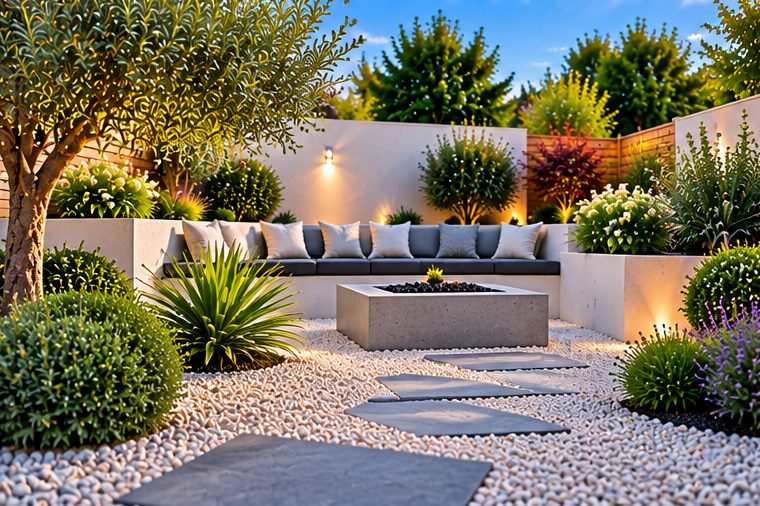
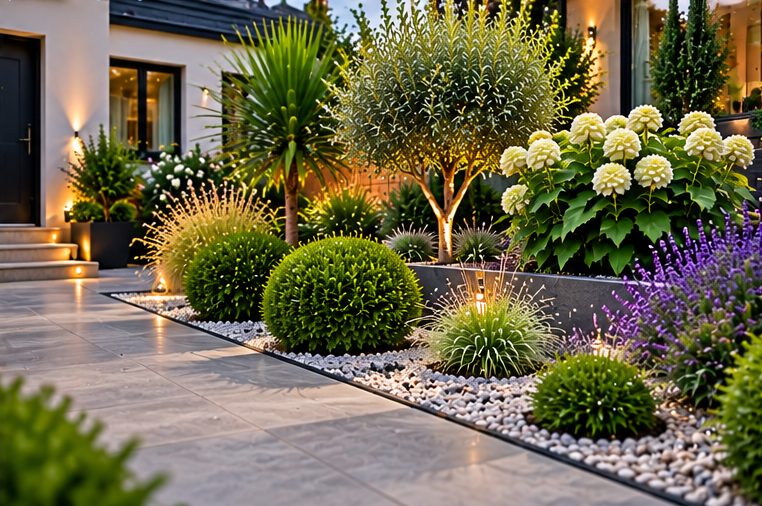
Images on this page are illustrations only.
“Jim and Dan did a brilliant job on my 90ft conifer. Its a lot safer now and I have more light in the garden...”
“The boys did an excellent job... pruned my trees back and remove one tree that had split...”
“The guys were prompt & proffesional removed an old ash for me thanks guys”
Yes, once the structure is right. Stable steps, flat paved areas and densely planted banks replace mowing and constant repair. Getting the retaining and drainage correct is the larger part of the work, and it determines how well the garden lasts.
Yes. Taller walls hold back considerable weight and water, so they need proper foundations, drainage behind them and sound construction. Above a certain height, engineering advice or building regulations may apply. We will tell you if your plan needs that kind of input.
Hardy, spreading plants such as hypericum, vinca, cotoneaster and low-growing geraniums knit the soil together and suppress weeds. The right choice depends on sun, shade and soil, so we match plants to each part of the bank. A level, safe route from the house to the main sitting area is usually the first priority.
SPR Trees & Landscapes, 6 Rose Avenue, Worcester, WR4 9PY
Tell us what you need in Stroud and we will get back to you, usually the same day.
Prefer to talk? Call 07542 451291 or WhatsApp us.