
A lawn only looks as good as the ground beneath it, which is why our Worcester turfing work starts with preparation and finishes with clear watering advice for the weeks that follow.
Fresh turf can transform a garden in a day, but the result depends almost entirely on what happens before the rolls arrive. SPR Trees and Landscapes carries out lawn turfing across Worcester and the surrounding counties, from small family back gardens to larger front lawns. We clear the old surface, correct the levels, bring in topsoil where it is needed and lay the turf tightly, with staggered joints and trimmed edges. Nothing is rushed, because a lawn that is laid carelessly shows it for years.
Turf is a living product, so timing and aftercare matter. Laying in a dry spell without a plan for watering is a common cause of failure, and so is laying onto compacted, lumpy or weedy ground. We explain these points up front, give free quotations, and tell you honestly when a lawn could be rescued by renovation rather than replaced from scratch. That honesty tends to save customers time and money.
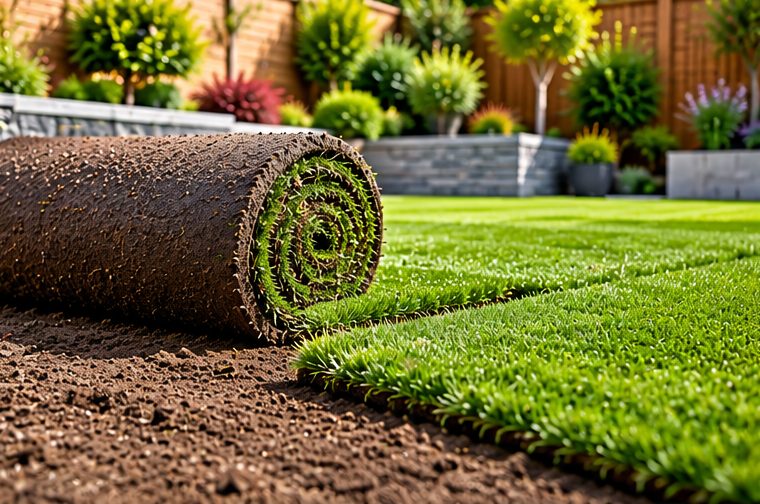
Preparation takes longer than laying and decides the outcome. We strip existing grass and weeds, break up compacted soil, remove rubble and roots, and rake the surface to a gentle fall that sheds water. Where the ground is poor, we add screened topsoil and firm it carefully so it does not settle into hollows later. Many Worcester gardens have heavy clay or builders waste hidden just below the surface, and both cause patchy growth. We check the soil, discuss whether it needs improving, and set out how much topsoil is realistic so you understand what you are paying for.
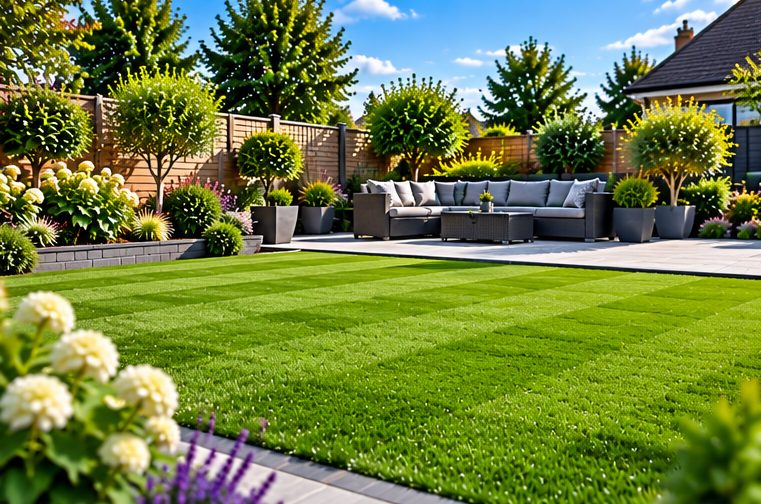
Once the base is ready, turf goes down quickly. We work from a straight edge, stagger the joints like brickwork, press the rolls together and cut neat shapes around beds and paths. Replacing a tired lawn means removing the old sward first, rather than laying on top, because that traps rot and uneven growth. We can also form a lawn in a brand-new garden, such as after an extension or a landscaping project. Turf comes in different grades, from hard-wearing family mixes to finer ornamental types, and we talk through which suits how the lawn will be used.
New turf needs regular watering until the roots knit into the soil, and in warm weather that can mean daily attention. Keep off it for the first couple of weeks, then give a first light cut once the grass has rooted and reached a sensible height. We provide simple written guidance on watering, mowing and feeding. For existing lawns, we also repair worn patches, re-level dips and renovate thin areas, which can be a more sensible option than starting again. If a lawn suffers from shade, moss or drainage trouble, we say so frankly.
Lawn Turf Installation is our core service, covering stripping, levelling, laying and finishing. Garden Turf Laying suits front and rear plots of all sizes. Turf Supply and Installation means we source the rolls and lay them in one visit, so the grass does not sit stacked and heating. Natural Grass Turf Installation gives a real lawn with a good mix chosen for how you use it.
Read the guide →New Lawn Installation is for gardens that have never had grass or have been cleared for building or landscaping work. New Lawns for Gardens begin with levelling, topsoil and a firm, raked finish. Family Garden Lawn Installation uses a hard-wearing turf mix for play, pets and regular foot traffic. We explain how long to keep off it and how to water it.
Read the guide →Lawn Replacement suits grass beyond saving, whether through weeds, moss, compaction or constant waterlogging. Old Lawn Removal comes first, since laying over the top traps rot and leaves a bumpy finish. We strip the sward, take it away, correct the levels and prepare fresh ground. We also say honestly if a renovation could achieve a similar result for less effort.
Read the guide →Lawn Ground Preparation includes clearing debris, breaking up compaction and raking to a consistent fall. Garden Levelling for Turf removes humps and fills hollows so the mower sits evenly. Topsoil Supply and Preparation brings in screened soil where the existing ground is thin, stony or exhausted. This stage is mostly out of sight, but it controls how the lawn performs.
Read the guide →Lawn Repairs deal with worn paths, dog patches, bald corners and small dips. Turf Repairs and Patching cuts out damaged sections, loosens the soil, and lays matching turf neatly into the gap. Small areas can often be mended in a single visit. We also look at the cause, whether shade, compaction or drainage, so the problem does not simply return.
Read the guide →Lawn Renovation brings a tired lawn back without replacing it. Depending on condition, the work can include scarifying out moss and thatch, aerating compacted soil, overseeding thin areas, topdressing dips and feeding. Results take a few weeks rather than a day. We assess the grass first and tell you plainly if renovation is realistic or if replacement would be the better option.
Read the guide →Pet-Friendly Natural Lawns start with a tough, hard-wearing turf mix and well-drained ground, since dogs churn up soft or soggy soil. Urine can leave yellow patches on any lawn, so we discuss watering routines and quick repair options. We also lay a firm path or run along regular routes, which reduces wear on the main grass area.
Read the guide →Select your town to see how we handle lawn turfing locally.
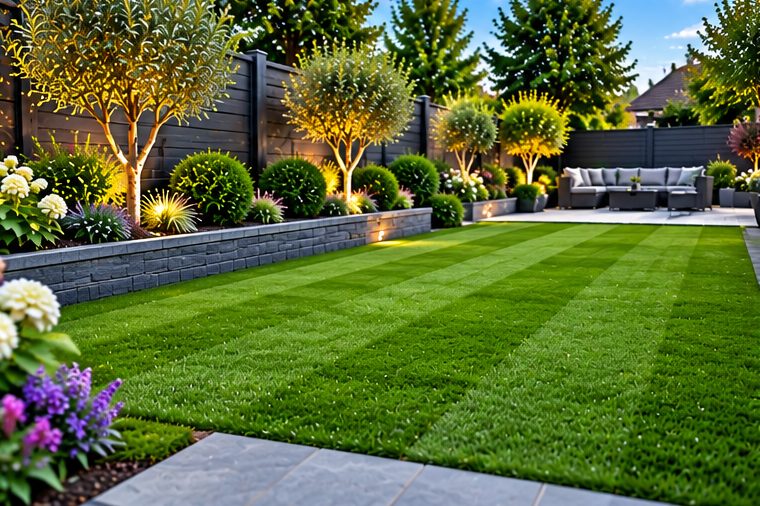
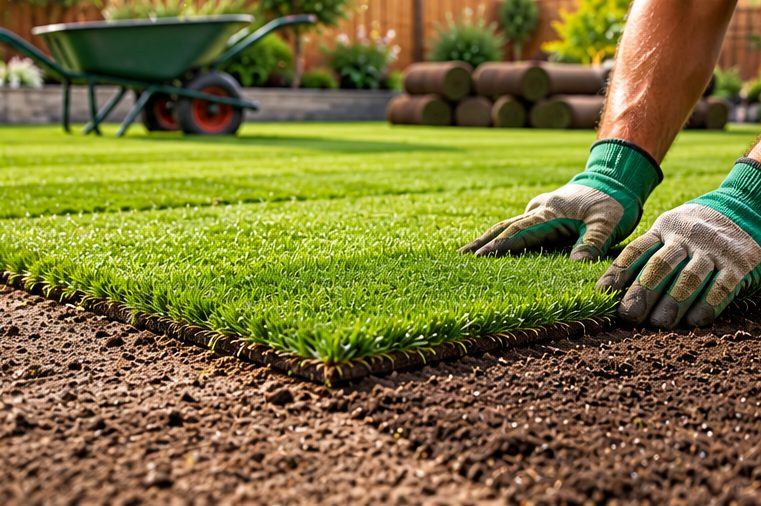
Images on this page are illustrations only.
“Jim and Dan did a brilliant job on my 90ft conifer. Its a lot safer now and I have more light in the garden...”
“The boys did an excellent job... pruned my trees back and remove one tree that had split...”
“The guys were prompt & proffesional removed an old ash for me thanks guys”
Autumn and spring are usually the easiest, with milder weather and more natural rain. Summer laying is possible if you can water regularly, and winter work depends on frost and wet ground. We advise on timing when we visit and arrange the job around conditions.
Keep off it for the first couple of weeks while the roots knit into the soil. Use boards if you must cross it. Once the turf resists a gentle tug, light use is usually fine, and heavier play can follow after the first cut.
Remove it. Laying new turf over old grass traps rotting material, causes uneven settling and stops the roots reaching the soil. Stripping the sward takes more effort but gives a level base, which is why we always include it when replacing a lawn.
Often, yes. Worn patches, small dips and bare corners can be cut out and patched with matching turf, or levelled and reseeded. If the whole lawn is thin, mossy or waterlogged, we will talk through whether renovation or full replacement makes more sense.
SPR Trees & Landscapes, 6 Rose Avenue, Worcester, WR4 9PY
Tell us about your garden and what you would like done and we will be in touch, usually the same day.
Prefer to talk? Call 07542 451291 or WhatsApp us.