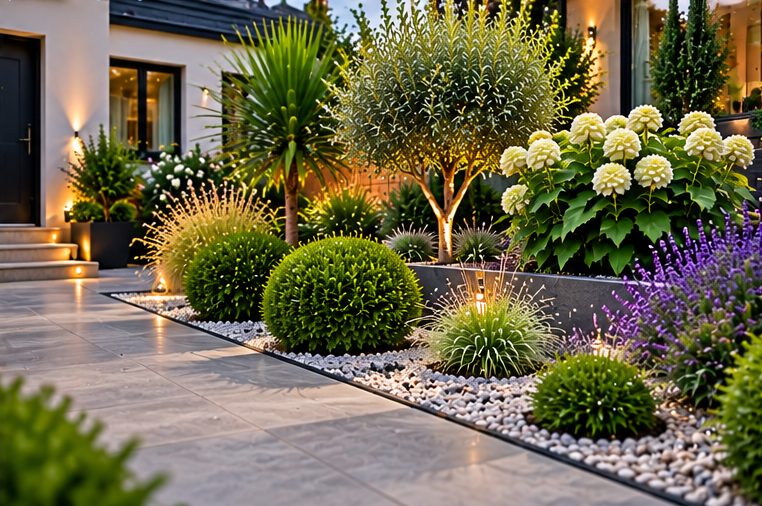
Ground-level borders are a lot of bending, weeding and edging. A raised planter or flower bed brings the plants up to a more comfortable height, keeps the soil where you put it, and gives a garden clear shapes. Done properly, it is a genuinely lower-effort way to enjoy colour, herbs or a few vegetables.
The details decide whether that effort really drops. Planter height, material, soil depth and watering all play a part. This guide explains how raised garden planters and raised flower beds are built and planted for the sort of gardens found around Worcester, Malvern and Stratford-upon-Avon, with the aim of leaving you with more time to enjoy them.
The saving comes from several small things. A bed with a defined edge keeps grass and weeds from creeping in. A raised frame on a membrane and clean soil starts with few weed seeds. The working height lets you tend plants from a path without kneeling, which matters if bending is difficult. Contained soil also stays looser and drains better than clay beneath, so plants are less often waterlogged. On the other hand, a raised bed dries faster, so a drip line or a regular watering habit helps. If you want a no-effort garden, plan the irrigation at the start.
Keep beds narrow enough to reach into from either side, which usually means about a metre and a bit wide, and leave paths that suit a barrow or wheelchair if needed. Longer, simple shapes are easier to build and plant than complicated curves. Place beds where they get the right light: most flowers and vegetables want sun for much of the day. Think about proximity to a tap, a compost bin and the kitchen door if you plan to grow herbs. Raised planters near the house can double as boundaries between a patio and lawn. Always make sure the base is stable and level before filling.
Treated timber is cost effective and easy to shape, but it rots in time. Sleepers give a chunky look; brick and stone last far longer and suit period homes; metal and composite boards stay neat with very little upkeep. Choose a finish that suits the house and other hard landscaping. Whatever you pick, line the inside with a permeable membrane where wood meets soil, and make sure water can drain from the base. For tall planters, the walls need to resist the pressure of wet soil, so bracing or thicker material is needed, and masonry needs a proper foundation.
Fill with a good topsoil and compost mix, not just whatever came out of the ground. Plant densely, because crowded planting leaves little room for weeds. Choose varieties that suit the aspect: drought-tolerant perennials and herbs for sunny, free-draining beds; hostas and ferns for shade. Add mulch each spring, top up soil as it settles, and feed lightly. Check that the bed edges are not catching leaf litter that rots into the timber. Annual jobs are brief if the first build was right. Slim planters beside a doorway are easier to water than a distant bed.
The quote depends on the number and size of beds, the walling material, any foundations, the soil volume, access to the garden, the removal of existing lawn or border, and whether planting is included. Ask for a clear breakdown of construction, soil and planting. Bed height, length and wall material set most of the labour, as do foundations for brick or block. Delivery of soil in bulk needs a place to tip, or sacks carried by hand, which takes longer. A bed built on an existing patio costs different effort from one dug into a lawn, and plants add further.
SPR Trees and Landscapes is based at 6 Rose Avenue, Worcester, and covers Worcestershire, Herefordshire, Gloucestershire and north Warwickshire. Send some photos of the spot, your preferred height and what you would like to grow, and we will provide a free quotation after a visit. Show us the spot, tell us how high you want the beds and say whether you would like to grow flowers, herbs or vegetables. We will advise on soil depth, drainage and how to arrange a watering routine. During the visit we can also talk through how the beds fit with other hard surfaces nearby, so that nothing looks like an afterthought.
For raised planters and flower beds in Worcester or the surrounding towns, call or WhatsApp 07542 451291, or use the form below and tell us about the job.
Images on this page are illustrations only.
See all Low Maintenance Gardens services in Worcester →
Low beds of around thirty centimetres suit most flowers, while higher beds help anyone who finds bending difficult. Taller walls need stronger construction because wet soil exerts considerable pressure. We can suggest a height to suit your use. Wider beds need paths for access.
Beds on soil normally have the ground loosened and are lined only at the sides. On paving or concrete, you need drainage holes and a suitable layer of free-draining material. Never let water sit trapped at the bottom. Good soil matters as much as the wall.
Yes, if the patio can bear the weight and water can drain without staining or pooling. Wet soil is heavy. Raise the planter slightly on feet or use drainage channels, and avoid blocking existing drains. Weight is the main concern.
Tell us about the job and we will be in touch, usually the same day.
Prefer to talk? Call 07542 451291 or WhatsApp us.