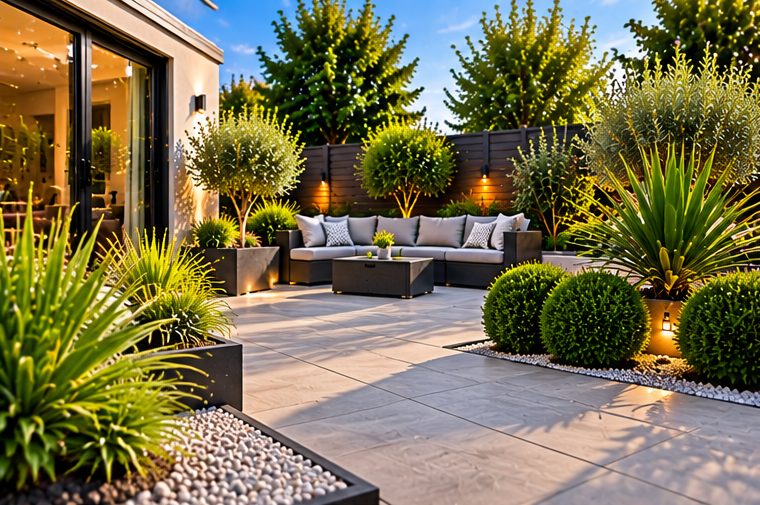
A border that looks good with little effort is mostly a matter of preparation and plant choice. Most hard-work beds are hard because the wrong plants are growing in the wrong place, or because bare soil is left for weeds to take over.
This guide is about Low Maintenance Garden Borders that cope with dry spells, for gardeners in Worcester, Evesham, Hereford and around. It covers soil, layout, plant types and aftercare in plain terms, without promising a garden that looks after itself.
Look at what you have before buying anything. Sandy soils drain quickly and dry out, while clay holds water but bakes hard in summer. Sun, shade, exposure and root competition from trees or hedges all change what will grow. Removing perennial weeds such as bindweed, couch grass and ground elder before planting saves endless trouble later, as they are hard to clear once a border is full. Adding compost or well-rotted organic matter improves almost any soil, though plants chosen for dry conditions often prefer it left fairly lean. Digging over heavy compaction helps roots reach water deeper down. A simple test is to dig a small hole, fill it with water and see how fast it drains, which tells you a lot in ten minutes.
Drought-Tolerant Garden Planting does not mean plants that survive without any water. It means plants that cope with dry spells once established, usually after a season of proper watering. Many have silver or grey leaves, narrow or waxy foliage, or deep roots. Lavender, sedum, ornamental grasses, salvias, thyme and many herbs fit the idea, as do some shrubs. Shady dry spots under trees need different plants from sunny gravel beds, so match the plant to the place. Do not expect newly planted stock to manage alone in its first summer. Many of these plants flower better with a little neglect, and rich feeding makes them floppy rather than lusher.
Planting in generous groups of the same plant looks calmer than many single specimens and is easier to look after. Space plants so they will meet within a couple of seasons, since dense cover leaves little room for weeds. Evergreen backbone shrubs keep the border looking decent in winter. A layer of mulch, such as bark, compost or gravel, holds moisture and suppresses weeds, but it must go on to clean, damp soil and be topped up occasionally. Avoid piling mulch against stems. A weed membrane under bark can help in some situations but makes later planting and feeding harder, so we only suggest it where it suits. Edging the border with a spade cut or a metal strip stops lawn grass creeping in, which saves repeated trimming.
The most common mistake is planting too close to a fence or wall where the soil is dry and shaded, then forgetting to water. Another is choosing plants for a catalogue photo rather than their final size. Water deeply but less often during the first season so roots chase moisture downward. Cut back perennials and grasses once a year, deadhead only where it matters and feed lightly. Resist over-fertilising, which leads to soft growth. Watching the border across a year helps you move plants that have been put in the wrong spot, and that is normal. Leave seed heads of grasses and perennials over winter for structure, then cut them back in early spring before new growth appears.
Border size, soil condition and the plants chosen drive the figure. Clearing existing growth, removing turf, improving the soil and bringing in mulch and compost add materials and labour. Larger plants cost more but give faster impact. Edging, irrigation and access for deliveries also change the quote. Because plant availability varies, we are happy to explain alternatives that give a similar look.
Tell us which parts of the garden are hard work, how much sun they get and what you like to see. Photos help. We will visit, check soil and light and talk through a planting approach that fits your time and budget. Quotations are free with no obligation. We cover Worcester and the surrounding parts of Worcestershire, Herefordshire, Gloucestershire and north Warwickshire.
For low maintenance borders and drought-tolerant planting in Worcester or the surrounding towns, call or WhatsApp 07542 451291, or use the form below and tell us about the job.
Images on this page are illustrations only.
See all Low Maintenance Gardens services in Worcester →
Yes, while they establish, usually through the first growing season. After that most cope with dry spells with little help. Container plants always need more water than those growing in open ground.
In most borders, yes. A layer of bark, compost or gravel keeps moisture in the soil and slows weeds. It needs topping up now and then, and works well when put down on clean, damp ground.
Yes, but the soil usually needs opening up first with grit or organic matter, and plants that dislike winter wet should be avoided. Raised or mounded borders can help water drain away from roots.
Tell us about the job and we will be in touch, usually the same day.
Prefer to talk? Call 07542 451291 or WhatsApp us.