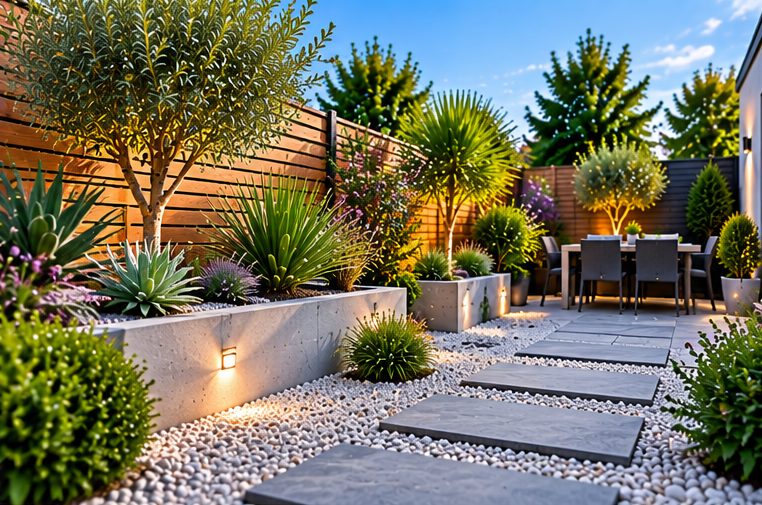
Weeds are the main reason people end up with a garden they do not enjoy. A weed suppressant membrane is a woven or non-woven fabric laid over the soil that blocks light and slows weed growth, while still letting water through. It is a simple product, but the results depend entirely on how it is installed.
This guide covers where Weed Suppressant Membrane Installation makes sense, what to lay before it and on top of it, and the common mistakes that give membranes a poor reputation. It is written for homeowners in Worcester and nearby areas of Worcestershire, Herefordshire and Gloucestershire.
A membrane does not kill weeds. It starves them of light and makes it hard for new seedlings to root in the soil. It will not stop perennial weeds such as bindweed, couch grass or horsetail, which push through or around the edges. It also does not stop weed seeds landing on top of the covering layer and germinating in a thin skin of dust and leaf litter. Used on cleared, prepared ground, under a thick covering of bark or gravel, it greatly reduces maintenance. Used on top of a weedy bed, it simply hides the problem for a season. Honest expectations make for a more satisfied owner.
The most important step happens before the membrane comes out of its roll. Clear all existing weeds, roots and rubbish, paying special attention to perennials, which need digging out or treating. Rake the soil level, remove sharp stones that could puncture the fabric, and firm it lightly. On heavy clay, consider whether water will drain, since a membrane over soggy ground can leave a slick surface. If the area is to hold gravel, edging should be installed first so the material stays put. Skimping on preparation is the usual reason a membrane fails within a year or two.
Roll the fabric out across the bed, overlapping each strip by around 100 to 150mm so there are no gaps for weeds. Secure it with metal pegs at intervals, and fold or tuck the edges under the edging. Where plants go through, cut crosses in the fabric rather than large holes, and fold the flaps back round the stem. Plant before the covering layer goes on, then spread bark chip or gravel to a decent depth, enough to hide the membrane completely. Exposed fabric degrades in sunlight and looks untidy. A covering depth of several centimetres also helps suppress weeds that germinate on top.
Woven membranes are strong and suit paths, gravel areas and driveways. Non-woven or felt types let water and air through more gently and are often used in planted borders. Cheap thin plastic sheeting is worth avoiding, as it tears and traps water. Under paving and artificial grass, a heavier-duty grade is used as part of the build-up. As for the cover, bark chip looks natural, breaks down over time and needs topping up, whereas gravel lasts longer but can move and hold leaves. Avoid sand or soil on top, which gives weeds a growing medium.
Membrane itself is inexpensive. The labour and materials around it are where the effort lies. Clearing existing growth, removing turf or old planting, edging, the choice and depth of covering, and disposal of waste all shape the quote. Access matters, because bags of gravel and bark are heavy and must be moved by hand if there is no route for a barrow. Slopes, existing plants to be worked around and beds with irregular shapes take longer. Compare quotes by checking what is removed first, what grade of fabric is used and how deep the cover will be.
If you want weed control that lasts, contact SPR Trees and Landscapes in Worcester through the buttons on this page. Tell us the beds or areas involved, how overgrown they are, and what finish you prefer. We will visit, advise on preparation and cover, and give you a free quotation. If a membrane is not the right tool for your site, we will say so.
For weed suppressant membrane installation in Worcester or the surrounding towns, call or WhatsApp 07542 451291, or use the form below and tell us about the job.
Images on this page are illustrations only.
See all Low Maintenance Gardens services in Worcester →
No. It greatly reduces them, but perennial weeds can push through and seeds can germinate in debris on top. Clearing the ground first and keeping a thick covering layer gives a far better result. Occasional light weeding will still be needed.
Good quality fabric, covered properly, can last many years. Exposed membrane breaks down in sunlight and thin or cheap sheeting tears easily. A decent grade and a covering of bark or gravel extend its life.
Yes. Cut a cross where each plant goes, tuck the flaps round the stem and cover with mulch. For beds with many plants, it is easier to lay the fabric first and plant afterwards, rather than working round existing ones.
Tell us about the job and we will be in touch, usually the same day.
Prefer to talk? Call 07542 451291 or WhatsApp us.