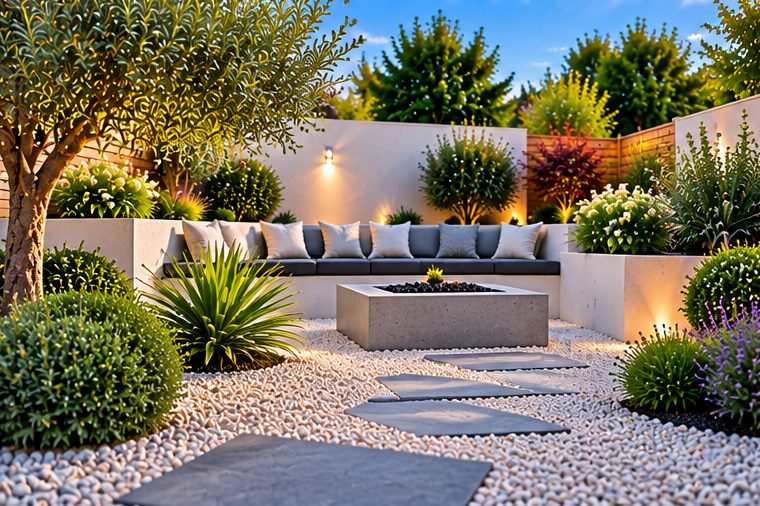
An outdoor living area should be a place where you sit, eat, talk and relax, not another room that needs scrubbing every weekend. Plenty of patios and terraces end up neglected because the surface stains easily, the furniture needs covers, or the planting around them demands constant attention. Getting the design right at the start turns that around.
This guide is for homeowners in Worcester, Droitwich Spa, Stratford-upon-Avon and the villages nearby who want a garden room that stays usable with little effort. It looks at surfaces, shelter and privacy, furniture and lighting, and how SPR Trees and Landscapes can put together a quotation.
Where the seating area goes matters more than what it is made of. Follow the sun through the day, noticing where it falls at breakfast and in the evening. A south-facing terrace may need shade in summer, while a shady corner stays damp and grows algae. Think about the route from the kitchen door, because a space that is easy to reach gets used. Check for overhanging trees that drop sap and leaves, and for neighbouring windows that overlook you. Low points where rainwater collects should be avoided or drained. Moving a seating area a few metres can make it more comfortable and cut cleaning, so spend time standing in the garden before deciding.
The surface is the biggest maintenance decision. Compare the practical points:
A seating area becomes a real outdoor room once it feels protected. Screens, slatted fences or evergreen planting add privacy without the upkeep of tall hedges. A pergola, sail or roofed structure gives shade and shelter from light rain, extending the season. Wind is a factor on exposed plots, so a solid screen on the windward side helps. Built-in seating, with storage beneath, avoids moving cushions and furniture and gives a tidy look. Raised planters double as windbreaks and room dividers. Choose furniture in materials that tolerate weather, such as aluminium or treated hardwood, rather than items that rust or need covers. A fire pit or heater adds warmth but should be placed with safe clearance.
Outdoor lighting extends the hours you can enjoy the space. Low-voltage lights on paths and steps are safe and economical, and wall or post lights set a mood. Plan sockets and cable routes before the surface is laid, because adding them later means cutting into new work. Planting should be quiet and tough. Large pots with evergreen shrubs, grasses or herbs add structure without constant watering, and a simple drip system can look after them. Choose plants that do not drop messy fruit onto the seating area. Mulch beds around the edge to keep weeding to a minimum, and avoid plants that spread aggressively into paving joints.
The overall size of the area and the surface you choose usually have the biggest influence. After that come groundwork, such as excavation, sub-base, levels and drainage, and the structures you want to add, such as pergolas, screens or built-in seating. Lighting and electrical work require a competent electrician and add time. Access for materials, removal of old paving or lawn, and the number of steps or level changes also matter. Planting and planter choices can be modest or generous. A quote based on a site visit will separate essentials from optional extras.
Contact SPR Trees and Landscapes and tell us how you imagine using the space, who will be using it and what you dislike maintaining. Photos and rough dimensions help. We will visit, discuss options and provide a free written quotation, with no obligation.
For low maintenance outdoor living areas in Worcester or the surrounding towns, call or WhatsApp 07542 451291, or use the form below and tell us about the job.
Images on this page are illustrations only.
See all Low Maintenance Gardens services in Worcester →
Porcelain paving is among the easiest, as it resists stains and algae and needs only occasional washing. Composite decking is also low effort. The right choice depends on your garden's shade, slope and how you want it to look.
Often not, but height, size and position relative to boundaries and the house can trigger rules, especially in conservation areas or on listed properties. Check before building anything substantial, and ask us if you are unsure what applies.
Use screens, slatted fencing, evergreen planting or a pergola with side panels. Positioning the seating away from overlooked windows also helps. Solid structures give instant privacy, while planting softens the effect and takes time to establish.
Tell us about the job and we will be in touch, usually the same day.
Prefer to talk? Call 07542 451291 or WhatsApp us.