
From Victorian terraces to post-war estates, Hereford homes have very different gardens, and each can be reshaped into something easier to keep, using materials that suit the property.
Hereford is a cathedral city on the River Wye, and its housing is a mix. Tall Victorian terraces have deep, narrow back gardens, while the post-war suburbs tend to have wider lawns, front gardens with a drive and hedges that grow faster than anyone expects. Each type of plot needs its own approach to stay manageable. Mowing, clipping and weeding all add up across a season.
Because of that variety, we do not offer one standard garden. We visit, look at how the space is used, and propose a plan to remove the most demanding jobs first. For some households that means a new patio and borders; for others, it means tackling a large, sloping or neglected lawn that has become a weekly chore. Either way, we aim for something that still looks good in February.
A Victorian terrace garden is usually long and narrow, so a defined zone for sitting near the house, a path through the middle and a planted area at the far end often works well. Post-war gardens, with more width, can take a larger patio, shaped beds and a smaller lawn. Think about shade from neighbouring buildings, where water collects and how you reach the bins. We note these on site, then suggest a layout that is simple, tidy and not overloaded with features. We would rather build one good, calm garden than many busy corners that are hard to keep tidy. A clear plan also helps when deciding what to do first and what can wait until later.
Paving suits the main sitting area and any route used daily. Gravel is practical for side access, borders and front gardens, though a proper edging and membrane are essential. Artificial grass can replace a worn or shady lawn, and suits a well-prepared, free-draining base. For plants, evergreen shrubs, grasses, geraniums and other hardy perennials give structure with little effort. In front gardens, we often combine a hard-wearing surface for parking with planted borders, so the property still feels welcoming and green. Mixing two or three materials usually looks better than using one everywhere, and it spreads the maintenance too. We can show you how different surfaces and plants combine before you decide anything.
The routine is mostly about keeping surfaces clean and planting in check. Brush paving frequently and wash it when algae shows. Rake gravel and remove weeds while they are small, ideally before they set seed. Trim shrubs once or twice a year and keep an eye on watering for new plants. Artificial grass needs occasional brushing and clearing of leaves. Compared with weekly mowing, edging and clipping, the time commitment is far lower, and the garden looks consistent through winter as well as summer. A short seasonal checklist is all most households need, and we are glad to put one together.
Hereford sits on the River Wye, and some low-lying areas can hold water after heavy rain, so drainage and falls are always part of our planning. The city has Victorian and post-war suburbs, which means we deal with both tight terraced yards and bigger family plots. We also work around Leominster, Ross-on-Wye, Ledbury and Bromyard. For a free quote or some friendly advice about your garden, contact us and we will arrange a visit that suits you. Local knowledge of ground conditions and access saves time on site. We keep things simple.
We also take on low maintenance gardens work in nearby Leominster, Ross-on-Wye, Ledbury, Bromyard.
Select a service to read our guide to it:
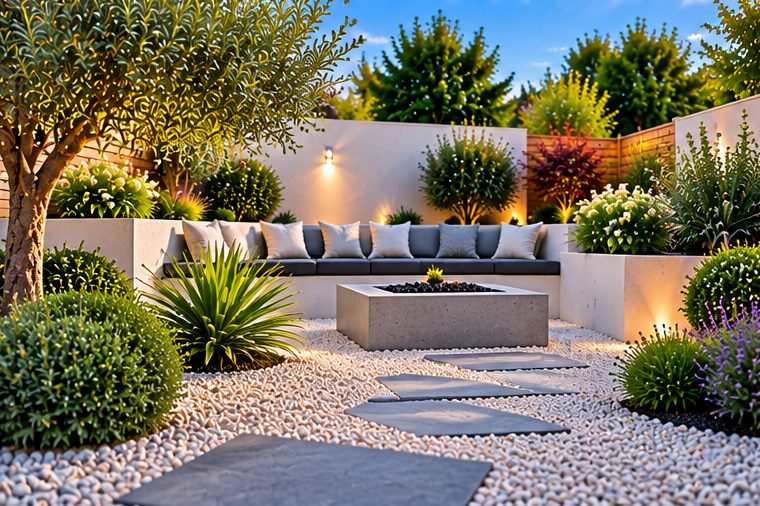
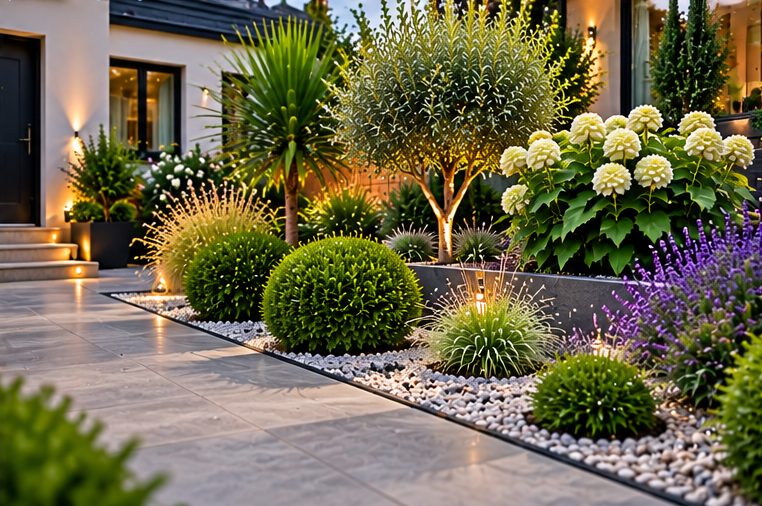
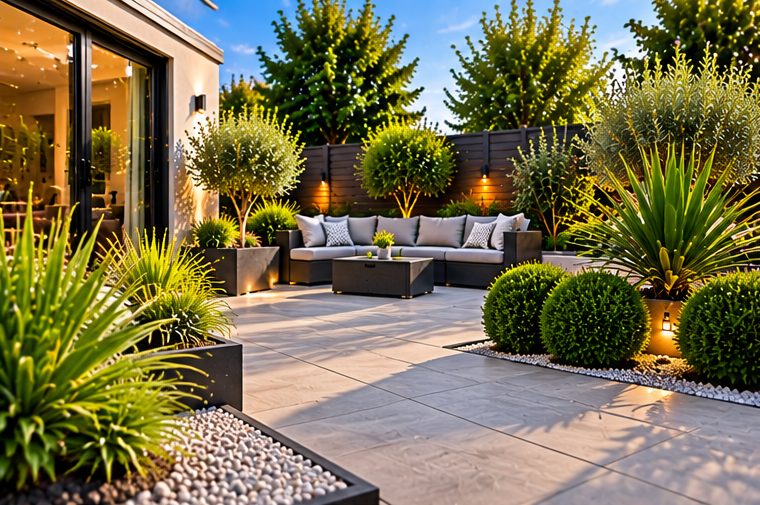
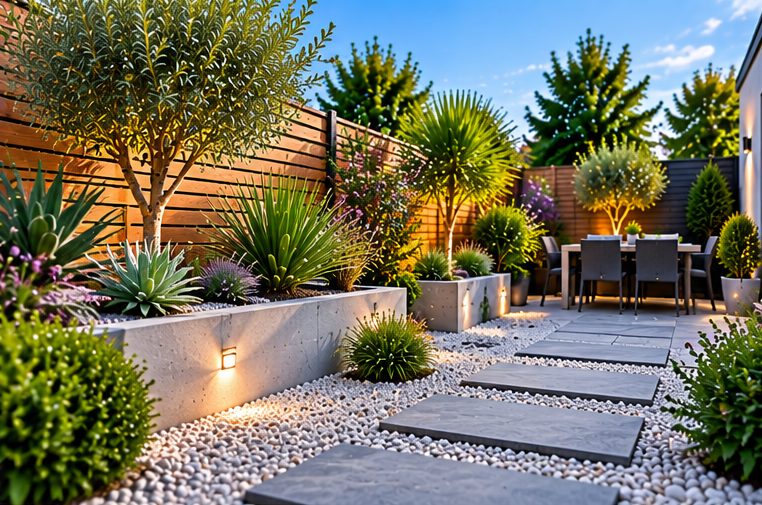
Images on this page are illustrations only.
“Jim and Dan did a brilliant job on my 90ft conifer. Its a lot safer now and I have more light in the garden...”
“The boys did an excellent job... pruned my trees back and remove one tree that had split...”
“The guys were prompt & proffesional removed an old ash for me thanks guys”
It depends on use. Paving is firmer for cars and bins, while gravel is cheaper to lay and softer in appearance but can scatter if not contained. Many front gardens use both, with planted borders in between. We will advise after seeing the space.
Yes. Clearing overgrown beds, old lawn, brambles or worn surfaces is a normal first stage. We remove the waste, level and prepare the ground, then build the new layout, so you are not left to arrange the clearance yourself. It saves you the hassle of organising several different contractors.
When it is laid on a correctly compacted, free-draining sub-base it drains well. Poor preparation is the usual cause of puddles, so the base matters more than the grass itself. We assess the soil and falls first and tell you if it would suit.
SPR Trees & Landscapes, 6 Rose Avenue, Worcester, WR4 9PY
Tell us what you need in Hereford and we will get back to you, usually the same day.
Prefer to talk? Call 07542 451291 or WhatsApp us.