
Timber garden decking in Moreton-in-Marsh, designed to sit well with Cotswold-stone houses and built on frames that cope with the wet, clay-heavy ground of the area.
Moreton-in-Marsh grew up along the Fosse Way, and its stone houses and cottages give the town a settled look. The name hints at the ground: on the lower, flatter parts of the north Cotswolds, soil can stay wet for long stretches.
That is worth knowing before building a deck. A good-looking surface is wasted if the frame beneath it sits in a puddle. We design timber decks for Moreton-in-Marsh gardens with drainage first in mind, then work outwards to the shape, the finish and the details.
Pale local stone looks good with warm, natural timber and not much else. We tend to recommend a restrained stain, straight board lines and a plain edge. If you want privacy from neighbours or the street, a slatted screen is usually neater than solid panels. A deck can also hide an awkward patch of broken concrete or cracked paving, provided the base is checked first. Think about where the sun reaches at different times of day and where the wind funnels, because the Fosse Way location is fairly open. A small sheltered corner can be worth more than a large deck on the exposed side.
Wet ground is the main enemy of any timber deck. We plan the frame so air can pass freely beneath, set the footings on firm material rather than soft topsoil, and shape the ground so water drains away. In many Moreton gardens the land is nearly flat, so a subtle fall in the deck itself helps the boards shed rain. Where levels differ between the house and the garden, we create steps with generous treads, and add handrails when the height calls for them. Gravel or similar free-draining material beneath the frame also keeps weeds down and helps prevent splashback.
Damp conditions make regular upkeep worthwhile. Sweep away debris, lift planters off the surface and scrub off algae before it turns slippery. A wood treatment applied when the surface looks dry protects the boards, but it cannot undo damage inside the frame. If the joists feel soft near the ground, or boards flex more than they used to, it is time to compare repair and replacement. New boards over a sound frame make sense. A rotten frame needs replacing, and we would then raise the new one slightly or improve drainage so the problem does not recur.
We cover Moreton-in-Marsh and the neighbouring north Cotswold villages and towns, including Chipping Campden, Stow-on-the-Wold, Shipston-on-Stour and Bourton-on-the-Water. The area has a mix of Cotswold-stone terraces, cottages and some more recent housing at the edge of town, so garden sizes differ a lot. Some older properties sit in protected areas, so check what is permitted before settling on a design. We are happy to meet you on site, look at the soil and the levels, and talk through realistic options without any pressure.
We also take on garden decking work in nearby Chipping Campden, Stow-on-the-Wold, Shipston-on-Stour, Bourton-on-the-Water.
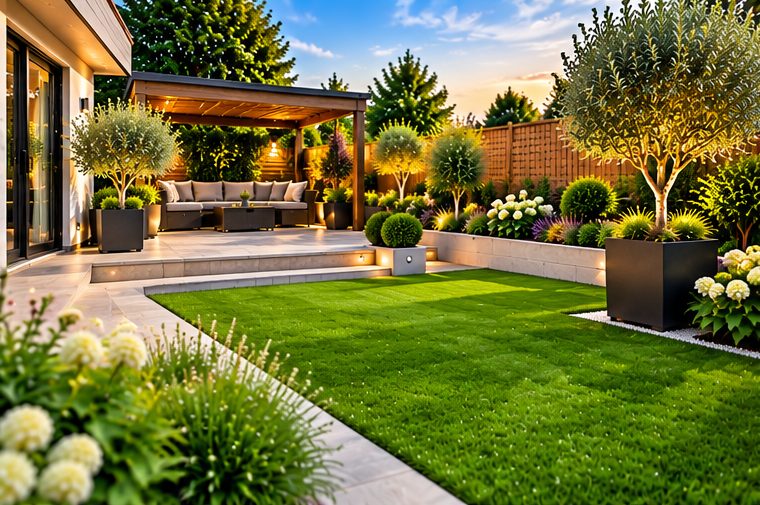

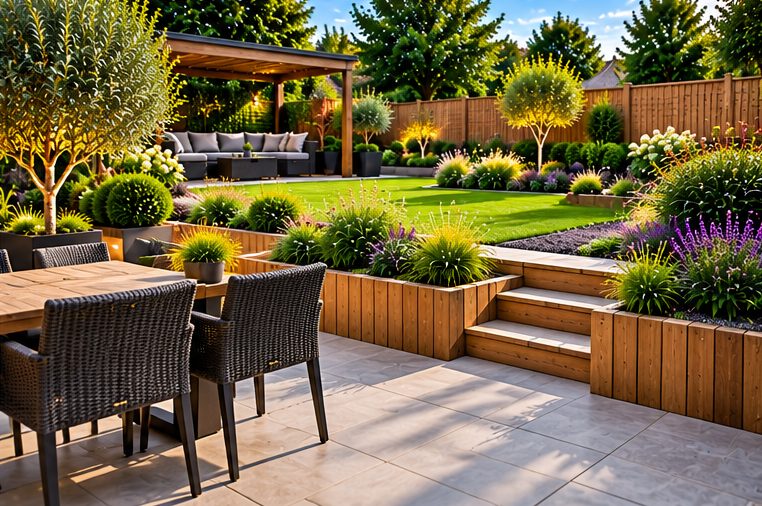
Images on this page are illustrations only.
“Jim and Dan did a brilliant job on my 90ft conifer. Its a lot safer now and I have more light in the garden...”
“The boys did an excellent job... pruned my trees back and remove one tree that had split...”
“The guys were prompt & proffesional removed an old ash for me thanks guys”
Yes, provided the frame is ventilated and the base drains. We prepare the ground, use a free-draining layer and keep the timber clear of standing water, which is what usually causes premature failure.
Natural and softer tones tend to look right. We can show you sample finishes at the visit so you can judge them against your own walls in daylight.
Yes. Slatted screens, trellis panels or planted borders can all work. We plan them with the deck so the posts are fixed to the frame properly and wind loads are considered.
SPR Trees & Landscapes, 6 Rose Avenue, Worcester, WR4 9PY
Tell us what you need in Moreton-in-Marsh and we will get back to you, usually the same day.
Prefer to talk? Call 07542 451291 or WhatsApp us.