
Cirencester's period streets and newer estates both suit artificial lawns, each needing a different approach to access, ground depth and the way the grass meets stone.
Cirencester is a Cotswold market town with handsome stone houses near the centre and newer estates spreading outward. A garden behind a period townhouse is nothing like one on a modern close, but both can look dull when the lawn gives up.
We install artificial grass in each setting. In the older streets, we think about walls, mature trees and narrow access. On estates, we think about clay, builders' leftovers and how water leaves the plot. A sensible plan comes before any digging begins.
Behind older houses, we often find tree roots, old paving or uneven soil, and these are dealt with before building the base. On newer estates, a thin layer of topsoil may sit on compacted subsoil, so we dig deeper and use more stone. Either way, the turf is removed, the ground is levelled and the stone is compacted in layers with a plate compactor. A membrane goes on top, followed by a fine bedding layer. Edging is chosen to suit the setting, perhaps timber against borders or concrete haunching beside stone paths. The result is a flat surface that holds its shape.
Whether it is a Georgian-style garden with a labrador or an estate lawn with a trampoline, wear is the question. For dogs, we recommend dog-friendly artificial grass with a permeable backing and a base that drains freely. For children, an even surface and secure edges come first, and a softer pile feels better for play. If the lawn will host furniture or entertaining, a resilient pile helps. We will also be straightforward about what artificial grass does not do: it needs rinsing where pets go, and strong sun can warm the surface.
Drainage varies across the town, from free-draining stony soil to heavier ground on lower sites. We assess the fall of the garden, plan the stone depth and, where it helps, add an outlet or soakaway. After laying, brush the pile with a stiff broom now and again, particularly along paths, and remove leaves before they decay. Moss in shade can be treated with an appropriate cleaner. If edges lift or seams open, a quick repair prevents further damage. Maintenance is modest compared with mowing, feeding and re-seeding a natural lawn.
We work in Cirencester and the villages around it, and our coverage reaches Northleach and Stroud. Historic streets can mean limited parking and narrow gates, so we plan the day around access. In both stone-built and modern settings, we aim to leave the garden looking considered and the site clear of mess. If you want to compare artificial grass with other options, we are happy to provide a free quotation and talk it through.
We also take on artificial grass installers work in nearby Northleach, Stroud.
Select a service to read our guide to it:
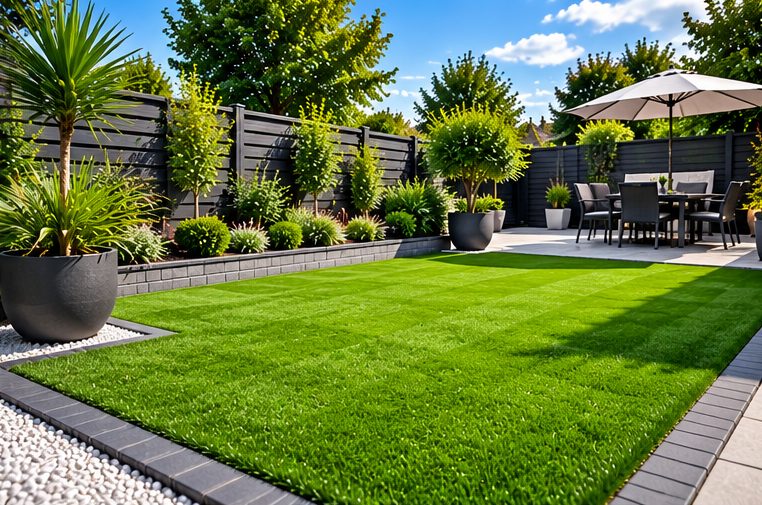
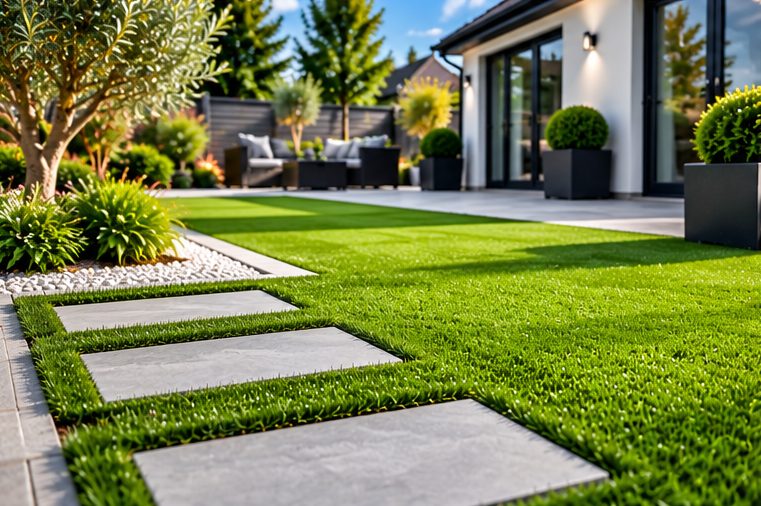
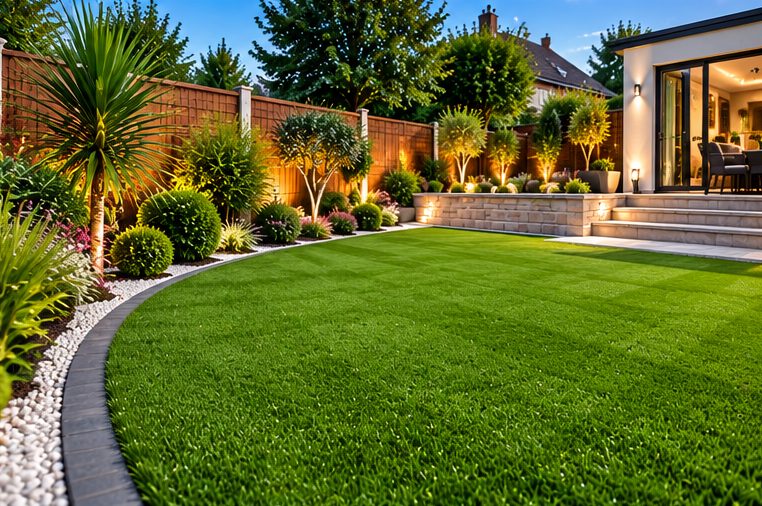
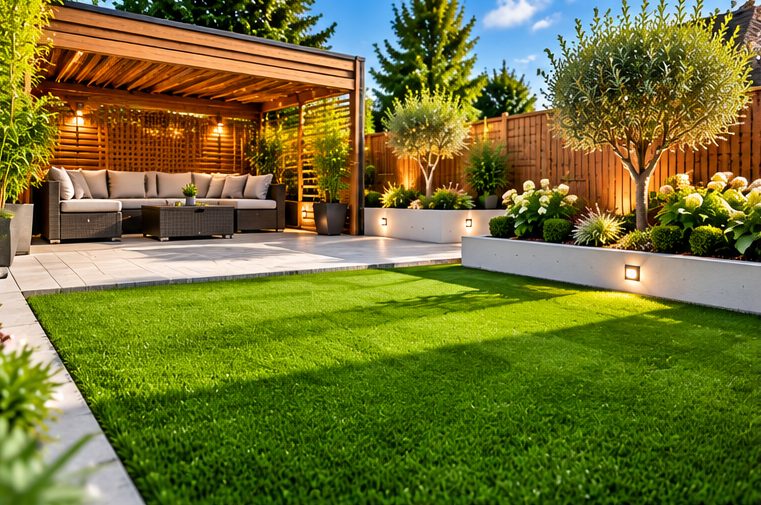
Images on this page are illustrations only.
“Jim and Dan did a brilliant job on my 90ft conifer. Its a lot safer now and I have more light in the garden...”
“The boys did an excellent job... pruned my trees back and remove one tree that had split...”
“The guys were prompt & proffesional removed an old ash for me thanks guys”
A good mixed-tone product in a natural green looks convincing against stone. We can lay samples against your walls and paving so you can judge in your own light before ordering.
Yes, but roots and falling debris need thought. We avoid cutting major roots, may raise the base slightly, and recommend regular leaf clearance so the surface does not get mossy.
That depends on the product, use and base. A well-built lawn should last many years, but we will not promise a figure. Brushing, cleaning and early repairs all help.
SPR Trees & Landscapes, 6 Rose Avenue, Worcester, WR4 9PY
Tell us what you need in Cirencester and we will get back to you, usually the same day.
Prefer to talk? Call 07542 451291 or WhatsApp us.