
Garden brickwork for Gloucester's Victorian terraces and large modern suburbs, including boundary walls, raised beds, steps, retaining walls and repointing for brick that has aged in the damp Severn air.
Gloucester is a cathedral city on the Severn, with Victorian terraces near the centre and sizeable modern suburbs beyond. The ground is generally low and sometimes wet, and brick has been the main building material for generations. Whether your garden is a long terrace plot or a wide suburban lawn, we start by checking existing walls, drains and levels so the advice we give is based on what is really there.
SPR Trees and Landscapes carries out garden brickwork across Gloucester. The work ranges from repointing a terrace wall to building raised beds in a suburban back garden. We look at how the existing brickwork was built and what is going on in the soil, then talk you through the realistic options. Older properties in the city may have shared walls, so it helps to talk to neighbours early about work that touches a boundary.
Terraced houses in older parts of Gloucester usually have long thin yards or gardens divided by tall brick walls, often shared with neighbours. These walls took on a lot of weather in the past century and may show crumbling mortar, loose copings or leaning sections. Repointing garden walls is often the first step, followed by rebuilding any parts that have failed. Because the wall may be jointly owned, speak to your neighbour before any work. Matching Victorian brick takes effort, but reclaimed stock is available and weathers in nicely. Frost-resistant bricks are worth the small extra effort.
Newer parts of Gloucester are mostly flat estates, so brick is useful for adding structure. Raised beds help on heavy or compacted soil, low walls separate patios from lawns and steps manage small level changes at back doors. Brick Retaining Walls are only needed where ground really does change height, for example on a sloping plot or beside a raised drive. In all cases, drainage is the thing to think about first, because Gloucester's low-lying ground tends to hold water that can push on walls and soak beds. A free-draining layer helps keep soil from building up against the brick.
Gardens close to the Severn and its floodplain can have wet ground for much of the year. Bricks absorb water, so frost damage is a particular risk, and we suggest suitable frost-resistant brick for exposed walls. Footings may need to be deeper or wider to cope with soft ground. A new boundary wall near the river should be built to drain, with weep holes and a free-draining layer behind it. We cannot prevent flooding, but we can build walls that cope better with wet conditions and recover afterwards. Local ground and weather both affect choice of brick and footing.
Gloucester is one of the larger places we cover, so we plan visits by area. We also work in Cheltenham, Tewkesbury, Stroud and Ross-on-Wye, and the housing changes noticeably between them. Terraced streets can limit where a delivery lorry can stop, and some yards are reachable only through the house, so we discuss practicalities at the start. On newer estates access is easier and the work can usually move at a steady pace. Our quotes are free, and we explain clearly what is included before anything is agreed. Please ask if you want a rough programme for the work.
We also take on garden brickwork work in nearby Cheltenham, Tewkesbury, Stroud, Ross-on-Wye.
Select a service to read our guide to it:
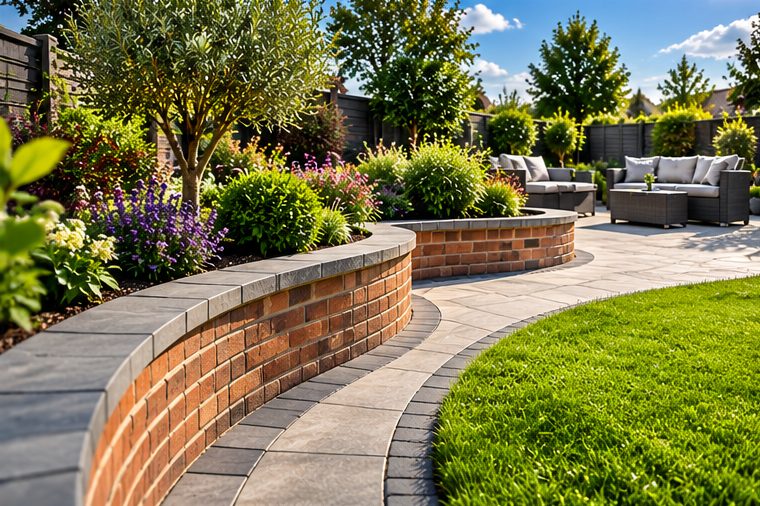
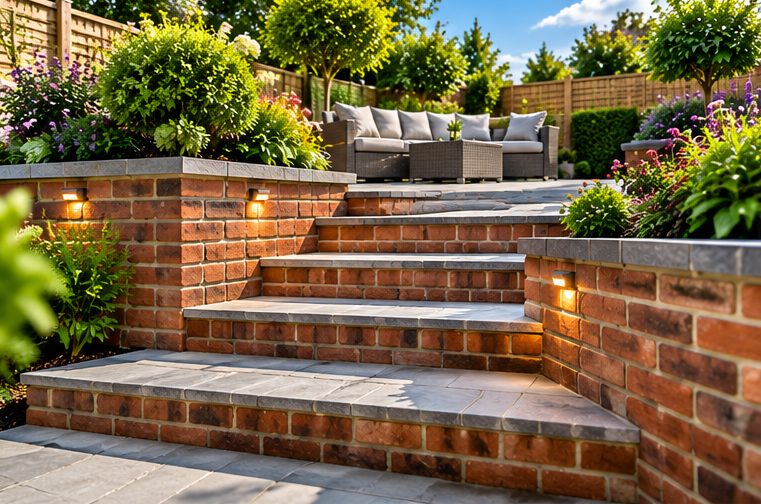
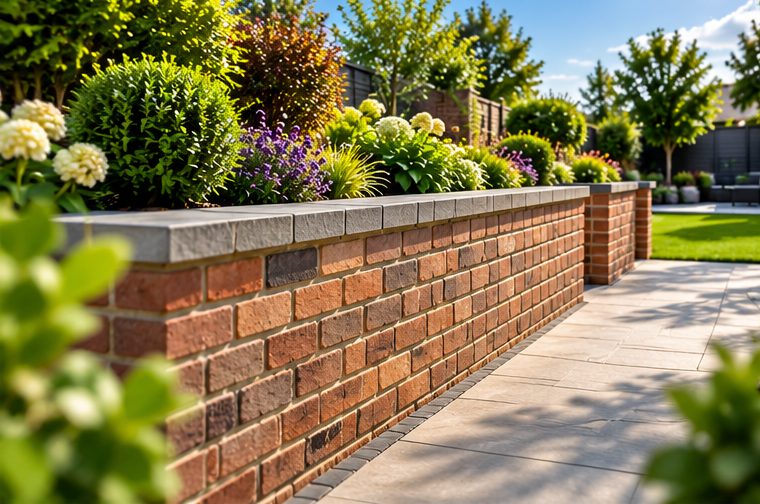
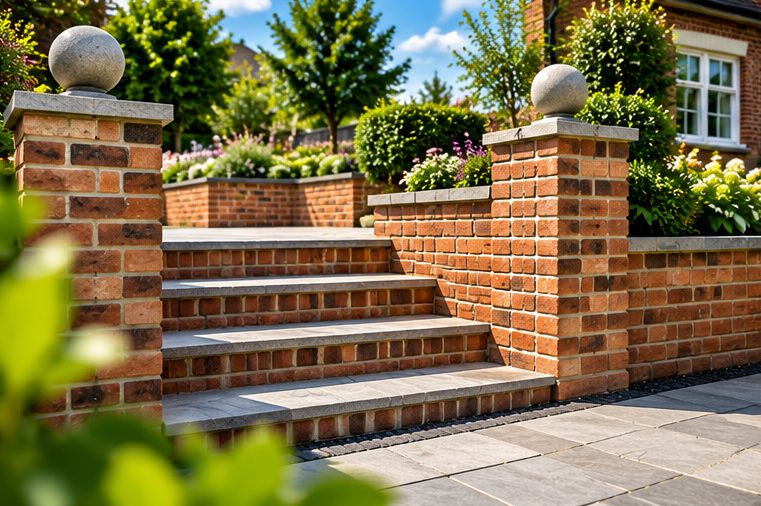
Images on this page are illustrations only.
“Jim and Dan did a brilliant job on my 90ft conifer. Its a lot safer now and I have more light in the garden...”
“The boys did an excellent job... pruned my trees back and remove one tree that had split...”
“The guys were prompt & proffesional removed an old ash for me thanks guys”
It varies with the property deeds and the history of the street, and it is often shared or unclear. Talk to your neighbour before work begins. We can carry out agreed repairs but cannot settle ownership. Low-lying gardens are better built with weep holes than without.
For walls, steps and raised beds that stay wet through winter, yes. Ordinary house brick can flake and crumble when it freezes while saturated, so we choose a type suited to garden exposure. Where footings meet old drains, we check before digging.
Usually, with a wider or deeper footing and good drainage. Very soft or flood-prone ground may need specialist advice, and we will say so honestly if we think a simple garden wall is not the right solution. Ask about a wider footing if the garden stays damp for much of winter.
SPR Trees & Landscapes, 6 Rose Avenue, Worcester, WR4 9PY
Tell us what you need in Gloucester and we will get back to you, usually the same day.
Prefer to talk? Call 07542 451291 or WhatsApp us.