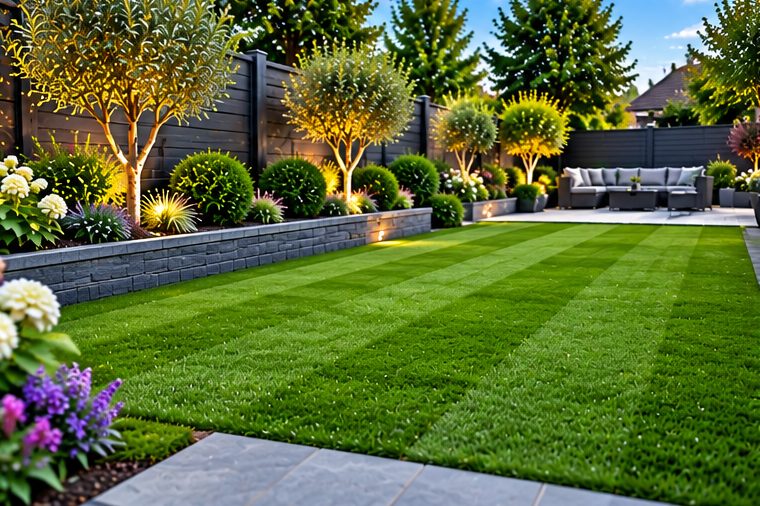
Anyone who owns a dog knows the picture: a lawn pocked with yellow patches, bare strips along the fence and mud by the back door. It is easy to conclude that natural grass and pets simply do not mix. In reality, a lot of the damage is down to how the lawn was made, which grass was used and how the garden is laid out.
This guide is for pet owners in Worcester, Malvern, Kidderminster and nearby villages who want a real lawn that can cope with paws. We look at tougher grass mixes, why patches appear, groundwork and drainage, simple habits that help, and how to approach SPR Trees and Landscapes for a free quotation.
Yellow circles are usually from concentrated urine, which delivers a burst of nitrogen to one spot and scorches the roots. Female dogs often cause the classic rings because they squat in one place, but any dog can do it. Bare tracks form where the animal runs the same route daily, wearing the blades and compacting the soil. Digging, boredom and wet weather add their own damage. Lawns on heavy, poorly drained ground suffer the most, because wet, soft soil is churned into mud. Understanding the cause helps you choose between a repair, a renovation or a fresh start. Many problems can be eased without giving up on grass entirely.
The type of grass matters. Mixes rich in perennial ryegrass establish quickly and recover well from wear, which suits active dogs. Fine ornamental grasses look smart but are slow to bounce back. When ordering, ask for a hard-wearing or family mix rather than a luxury finish. Some points to consider:
A pet lawn lives or dies by its soil. Compacted ground sheds water, so it is worth loosening it and, where needed, adding sharp sand or good topsoil to improve drainage. Level the surface so puddles do not form in dips. Think about the dog's habits as well. If it patrols the fence line, a strip of gravel, bark or paving along the edge keeps the worn route off the grass and out of the mud. A small toilet area with a different surface is easier to rinse than a lawn. Raised borders and planters protect plants from being trampled, and a defined path from the door stops mud tracking indoors.
Small routines make a surprising difference. Rinsing urine spots with a watering can soon after your dog goes dilutes the nitrogen and reduces scorching. Letting the grass grow a little longer shades the roots and helps it recover from wear. Regular feeding in spring and autumn keeps it strong, though you should check that any lawn feed is labelled as safe for pets and follow the instructions about keeping animals off while it settles. Rotate where the dog plays, and use toys and training to stop digging. Keep up with mowing, and re-seed thin patches promptly before weeds move in. A lawn will never be spotless with dogs, but it can look good.
The size of the lawn, the state of the existing ground and the grade of turf are the main drivers. Gardens that need soil improvement, levelling or drainage work cost more than those with a good base. Additional features, such as gravel dog runs, paved paths or secure fencing, change the scope. Access matters, because turf and soil must be moved in by hand if there is no side entrance. Whether the old lawn has to be stripped and removed also affects the labour needed. Seeing the garden and the animals' routes lets us offer a sensible, tailored price.
Contact SPR Trees and Landscapes and tell us about your pets, the size of the garden and what the lawn looks like now. Photos of the worst patches help. We will visit, talk through grass choices and layout, and give you a free written quotation without obligation.
For pet-friendly natural lawns in Worcester or the surrounding towns, call or WhatsApp 07542 451291, or use the form below and tell us about the job.
Images on this page are illustrations only.
See all Turf Laying services in Worcester →
Yes, if it is made with a tough grass mix, laid on well-drained, level soil and given sensible care. It will not look pristine all year, but good preparation and a few habits keep most dog lawns green and usable.
Rinse the spot with water soon after your dog urinates, keep the grass slightly longer and make sure the lawn is well fed. Encouraging your dog to use a designated area also helps. Patches that have died back can be raked and re-seeded.
Fine ornamental grass looks smart but is slow to recover from wear, so it is usually a poor match for active dogs. A durable mix with ryegrass copes better, and you can keep a finer lawn in less-used parts of the garden.
Tell us about the job and we will be in touch, usually the same day.
Prefer to talk? Call 07542 451291 or WhatsApp us.