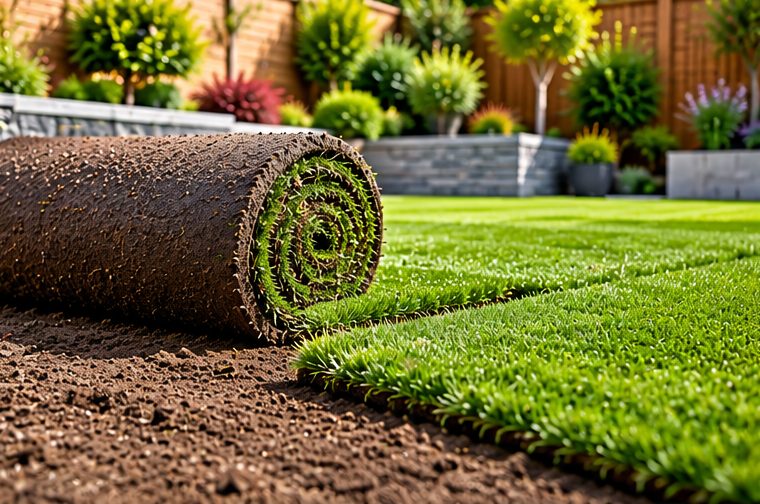
Laid turf is the quickest route to a proper lawn. Instead of waiting months for seed to knit together, you get a green, usable surface within days, provided the ground underneath has been prepared and the turf is looked after in its first weeks. Most disappointing lawns fail not because of the turf, but because of what happened before and after it was unrolled.
This guide explains lawn turf installation for gardens in Worcester, Evesham, Malvern and the surrounding area. It covers garden turf laying step by step, what to expect from turf supply and installation, how natural grass turf installation differs from seeding, and how to ask for a free quotation from SPR Trees and Landscapes.
Seed is cheaper per square metre, but it asks for patience. It needs the right weather window, protection from birds and a long wait before the lawn can take footfall. Turf is a mature grass delivered in rolls, so a family can often walk on it within a couple of weeks once rooted. It also copes better with slopes where seed might wash away, and it suppresses weeds sooner. The trade-off is cost and the need for careful timing, because turf is a living product that deteriorates if left rolled. Seed still has a place on very large areas or where budget is tight, and some gardens combine both, using turf in the visible areas.
Preparation takes longer than laying. The old surface is cleared, weeds are removed, and the soil is dug or rotavated, then raked to a fine, level tilth. Compaction is a common problem on new-build plots where builders have driven over the ground, and heavy Worcestershire clay will hold water unless it is opened up. Points to settle include:
Fresh turf should be ordered to arrive when the ground is ready, and laid on the day it is delivered or as close as possible. Rolls left stacked will overheat and yellow. Laying starts along a straight edge, such as a path, with each roll butted tight against the last and the joints staggered like brickwork. Edges are trimmed with a sharp knife, and small off-cuts are avoided at borders because they dry out. Afterwards the lawn is firmed down with a roller or by treading, then watered thoroughly. Matching the turf type to your garden matters. Hard-wearing mixes with ryegrass suit family use, while finer grass looks smarter but is less tolerant of heavy play.
The first month decides whether the turf roots or fails. Water daily in dry weather, enough to soak the soil underneath rather than just wetting the surface. Keep off the lawn as much as you can for the first couple of weeks, and lift a corner to check for white roots forming. The first mow should be a light trim with the blades set high, once the grass is rooted and has grown a little. Avoid feeding with strong products too soon. Gaps along seams can appear if turf shrinks, and they can be topped up with fine soil and seed. Timing matters, with autumn and spring being the easiest seasons because rainfall and cooler temperatures help rooting.
The area to be covered is the starting point, but the preparation work usually has more influence on price. Removing old grass or rubble, importing topsoil, levelling a slope, improving drainage and getting machines into the garden all take time. The grade of turf, from basic to premium, makes a difference, as does delivery distance and whether turf has to be carried through the house. Odd shapes and many edges increase cutting and waste. Seasonal demand and how quickly you need the lawn finished may also play a part. A visit lets the ground be assessed before any figure is given.
Contact SPR Trees and Landscapes with a few photographs, the approximate size of the lawn and details of what is currently on the ground. Mention how the garden is used, any slope, and whether you have pets or children. We will visit, discuss the preparation and aftercare, and send a free written quotation.
For lawn turf installation in Worcester or the surrounding towns, call or WhatsApp 07542 451291, or use the form below and tell us about the job.
Images on this page are illustrations only.
See all Turf Laying services in Worcester →
Autumn and spring are usually the easiest because the weather is milder and wetter, so roots establish without constant watering. Turf can be laid in summer or winter, but summer needs diligent watering and frozen or waterlogged ground should be avoided.
Keep traffic to a minimum for roughly the first two weeks while the roots knit into the soil below. Light use is usually fine after that, and heavier play comes once the lawn has been mown a few times and feels firmly anchored.
Normally yes. Laying over old grass and weeds leads to uneven settlement and poor rooting. The old surface is stripped, the soil is prepared and then fresh turf is laid on a clean, level bed that gives it a good start.
Tell us about the job and we will be in touch, usually the same day.
Prefer to talk? Call 07542 451291 or WhatsApp us.