
A well-designed path does a lot of quiet work in a garden — guiding movement, tying different areas together, and setting the tone before visitors even reach the front door. For homes around Chipping Campden, getting the material and layout right makes the difference between a path that looks like an afterthought and one that feels like it's always been there.
Materials and layout that suit older properties
Random-sized natural stone flags, laid in an irregular pattern rather than a strict grid, tend to look most at home leading up to a period property, echoing the informal character of traditional Cotswold gardens. Reclaimed or reclamation-style stone is worth considering for a path specifically, since a smaller area makes the extra cost of authentic aged material more manageable than it would be across an entire patio, and the weathered look suits a path more than almost any other feature.
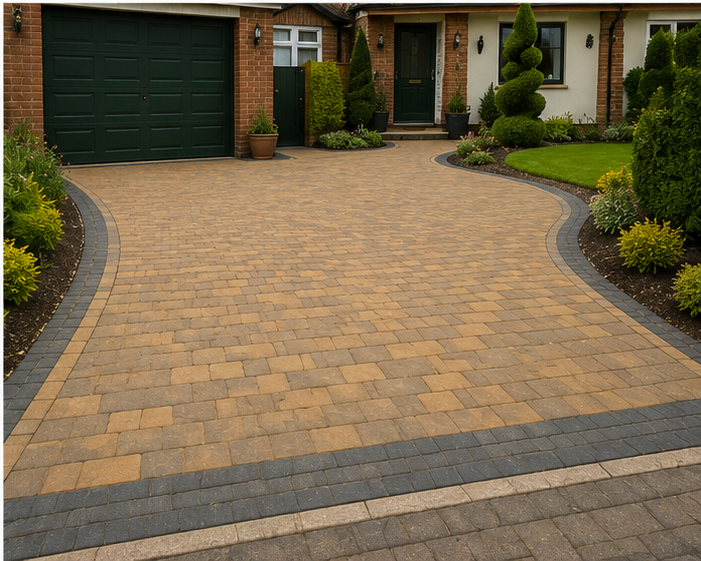
Gravel is another traditional option, particularly for a path through a cottage garden, and it can be combined with stone edging or occasional stepping slabs to define the route without looking overly formal. For a path that gets regular use — say, from a driveway to a front door — a firmer, flatter surface like paving is more practical than loose gravel, which can be harder to walk on in wet weather or with a pushchair.
Practical details that affect how a path performs
Width matters more than people expect — a path under about 600mm can feel cramped for two people passing, while anything approaching a metre starts to feel generous and comfortable. Good drainage either side of the path is important too, since paths often run along the lowest point of a garden and can end up carrying more water than the surrounding lawn during heavy Cotswold downpours if falls aren't planned properly.
Get a Free Quote for Patio Paving
Every garden is different — the fastest way to get an accurate answer is a quick chat with our team.