
With so many stone options on the market, choosing the right natural stone for a garden near Stow-on-the-Wold can feel overwhelming. The good news is that natural stone as a category almost always suits the local setting — the real decision is which type fits your specific garden, budget and how you'll use the space. SPR Paving works with several stone types and can talk through the trade-offs on site.
Matching stone to the setting
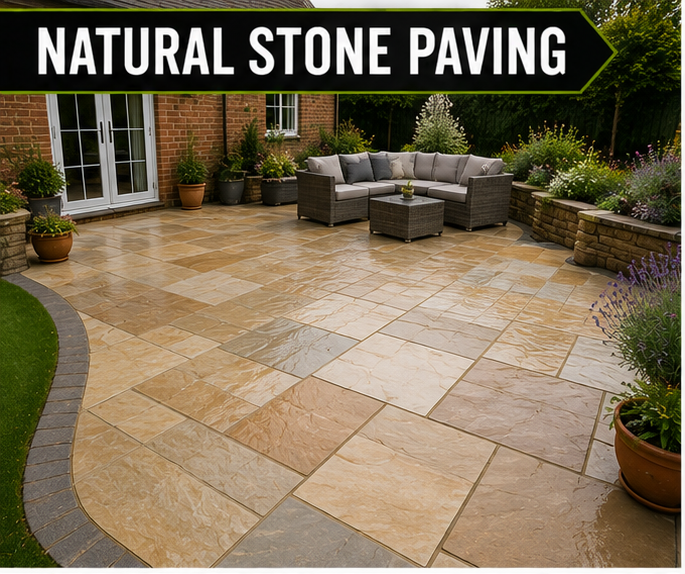
Limestone is a natural fit visually in the Cotswolds, since it echoes the colour of local buildings and walls, giving a strong sense of continuity between house and garden. Sandstone offers more colour variation and a slightly warmer, more textured look, while granite brings a denser, more contemporary finish that still works in a traditional garden if the tone is chosen carefully. None of these are wrong choices — it comes down to whether you want the paving to closely match existing stonework or provide some gentle contrast.
Thickness and finish are worth considering too. A riven, textured surface suits an informal cottage garden, while a sawn, smoother finish gives a slightly tidier, more structured look that still reads as natural stone rather than manufactured paving.
Practical considerations beyond looks
Natural stone varies in density and porosity, which affects how it weathers, how much maintenance it needs, and how it copes with frost — a real consideration given Cotswold winters. Denser stones like granite need less sealing and resist staining better, while softer stones like limestone and sandstone benefit from sealing to reduce absorption. It's worth asking any supplier or contractor about the specific stone's porosity and frost rating rather than assuming all natural stone behaves the same way.
Get a Free Quote for Natural Stone Paving
Every garden is different — the fastest way to get an accurate answer is a quick chat with our team.