
A garden path that doesn't match the patio can make even a well-laid Pershore garden feel disjointed, so it's worth planning both together rather than treating the path as an afterthought. A few practical decisions early on make a noticeable difference to how cohesive the finished garden looks.
Matching material and colour
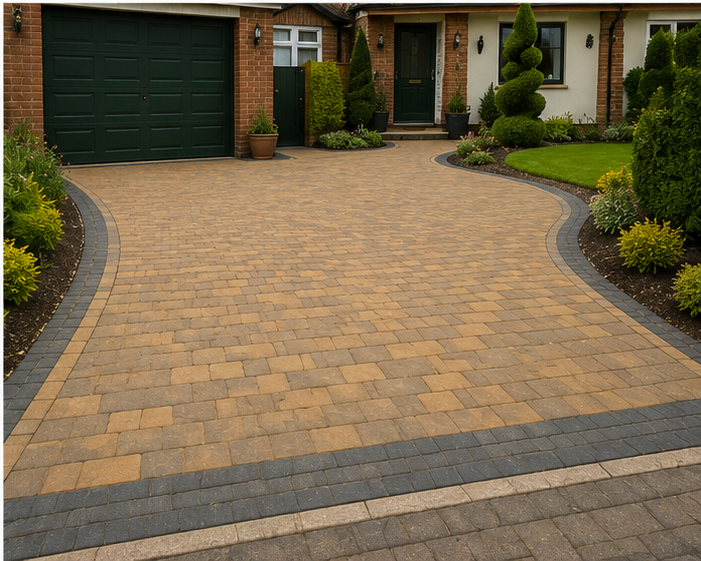
The simplest way to tie a path and patio together is to use the same paving material throughout, even if you vary the size or laying pattern slightly to distinguish the two areas. If using the identical stone isn't practical, budget, or the path needs to be more slip-resistant for a shaded, damp route, aim to match the colour tone as closely as possible rather than introducing something jarring. A path in a similar buff sandstone to a sandstone patio, for instance, will read as one connected design even if the exact batch or finish differs slightly.
Practical layout considerations
Paths generally need to be narrower than a patio but still wide enough for comfortable single-file walking, typically around 900mm to 1200mm depending on the route and how it's used. Curved paths can soften a garden and slow down sightlines in an attractive way, but they cost more to lay than straight runs because of the extra cutting involved. Think about where the path needs to go functionally first, such as bin access or a route to a shed, and then adjust the aesthetics around that rather than the other way round.
Get a Free Quote for Patio Paving
Every garden is different — the fastest way to get an accurate answer is a quick chat with our team.